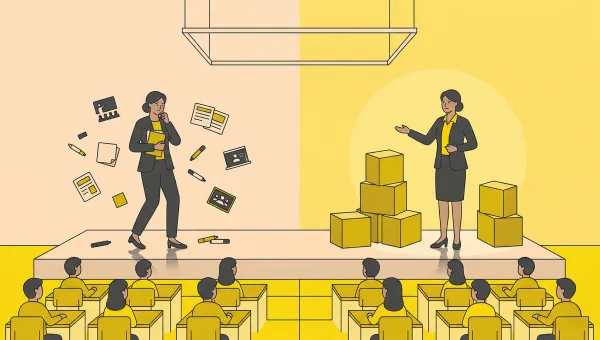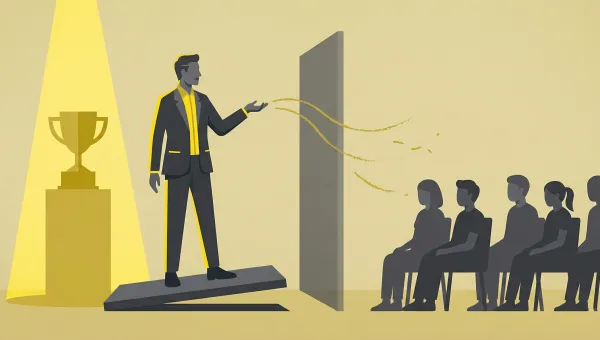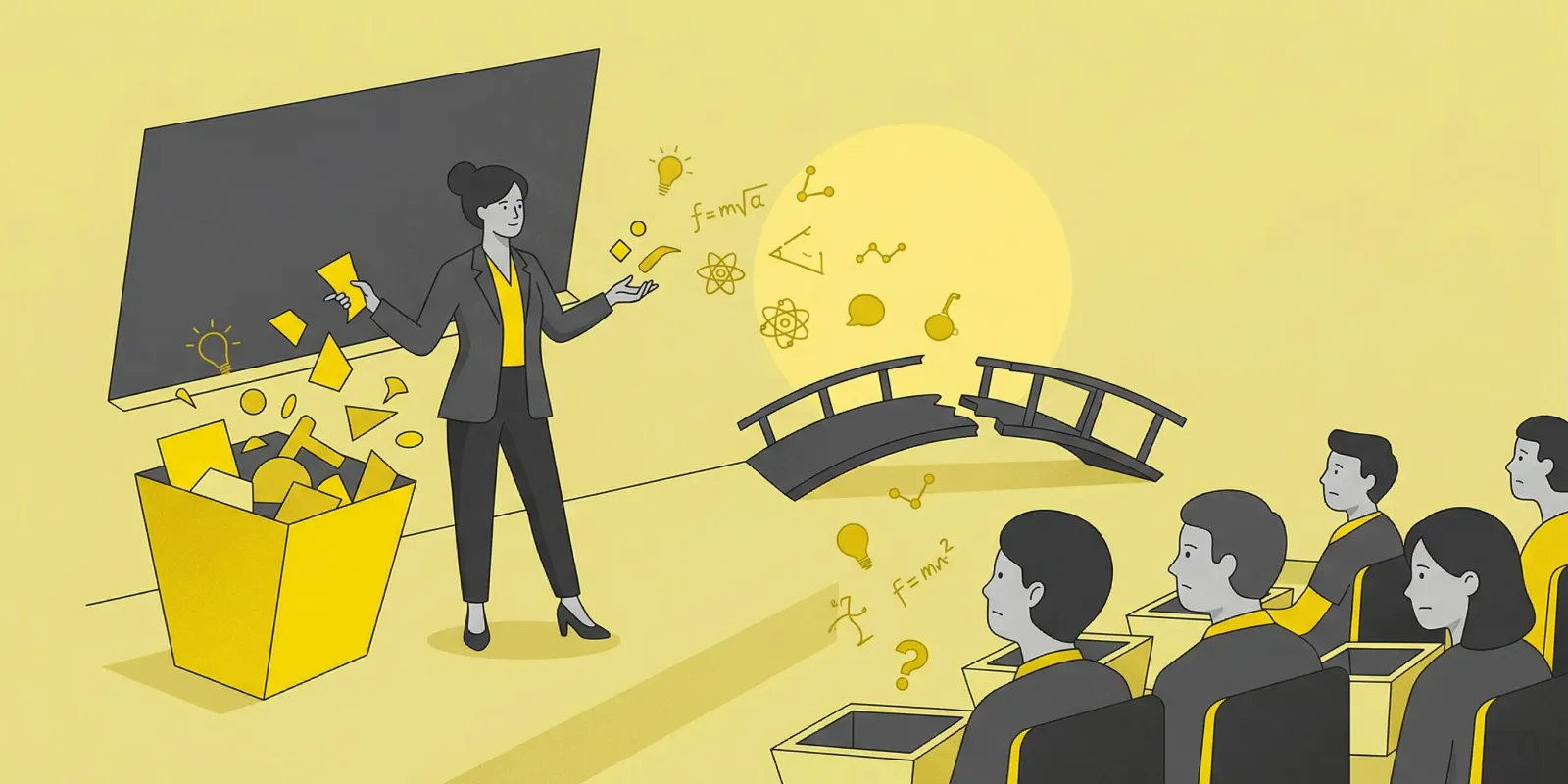
There is a fact that may be shocking to some: Knowledge alone does not make a successful teacher.
How many teachers possess vast knowledge, high degrees, and long experience… yet leave no real impact on their students? Conversely, we find teachers with average knowledge but a deep and lasting influence. The question is: Where is the difference?
First: Teaching is Not Just Knowledge Transfer—It’s Building an Experience
A teacher who focuses only on “explaining content” falls into a common trap: they think their task ends with delivering information. But the reality is quite different; students do not learn only from what is said, but from what they experience inside the classroom. Do they feel safe? Are they allowed to make mistakes? Are they stimulated to think? A successful teacher builds a learning experience, not just a dry lesson.
Second: Weak Communication Kills the Best Content
The scientific material may be excellent, but the method of delivery is weak. Effective communication in education means simplifying the complex, using examples close to students’ lives, and reading body language and reactions to adjust the style during explanation. A teacher who lacks communication skills, even if they are an expert in their field, will struggle to reach their students’ hearts and minds.
Third: Lack of Awareness Regarding Individual Differences
One of the biggest reasons for some teachers’ failure is treating students as if they are identical. The truth is there are visual learners, auditory learners, those who need practical experience, and those who need more processing time. A successful teacher does not explain the lesson in one way… they present it in multiple ways until it reaches everyone, as we discussed in our article on How Students’ Brains Work.
Fourth: Focusing on Control Instead of Influence
Some teachers think success means strictly controlling the class and preventing chaos at any cost. While discipline is important, it is not the ultimate goal. There is a vast difference between a teacher who “controls” their students and a teacher who “influences” them. The former may succeed in imposing temporary silence, but the latter leaves a lasting impact and a genuine desire to learn.
Fifth: Lack of True Passion
Students have a very high sense of awareness; they can quickly detect whether a teacher loves what they provide or is just performing a job duty. A teacher who lacks passion has low energy and limited interaction, while a passionate teacher transfers enthusiasm before information, making learning an enjoyable and stimulating experience without much effort.
Crucial Summary
The failure of some teachers is not due to a lack of technical knowledge, but rather a flaw in the method of delivery, understanding students, building relationships, and managing the entire learning experience. A real teacher is measured not by what they know, but by the impact they leave in the minds and hearts of their students.
This blend of scientific expertise and pedagogical skill is what we focus on in our specialized training programs, helping teachers transform from mere “content explainers” to true “impact makers.”